
Introduction
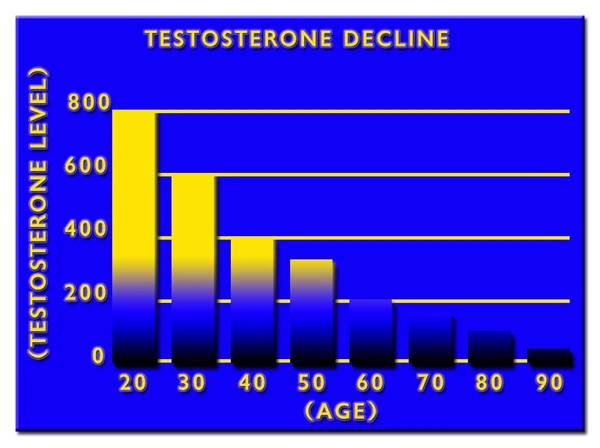
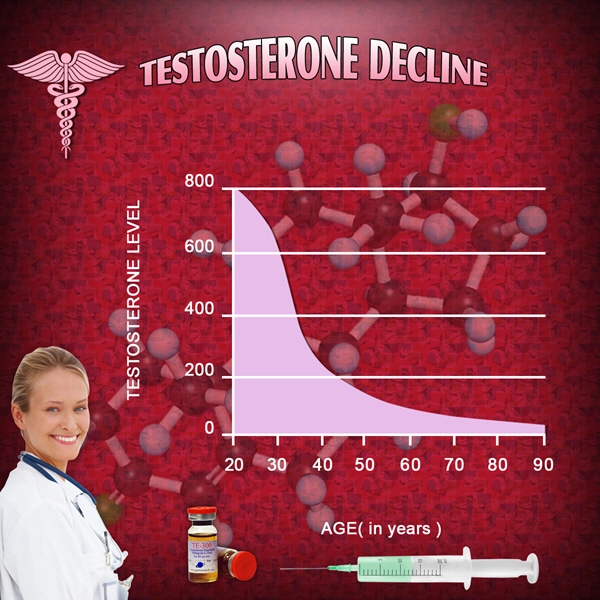
Testosterone replacement therapy (TRT) has surged in popularity among American males, particularly those aged 40 and older, amid rising diagnoses of hypogonadism. According to the Centers for Disease Control and Prevention (CDC), approximately 2.4 million U.S. men over 40 exhibit symptomatic low testosterone levels, often linked to obesity, metabolic syndrome, and sedentary lifestyles prevalent in the population. While TRT is lauded for ameliorating fatigue, muscle loss, and libido decline, emerging dermatological research probes its subtler impacts, including on nail health. Onychodystrophy—manifesting as brittle, ridged, or slowly growing nails—has been anecdotally reported in hypogonadal states, prompting investigations into TRT's modulatory effects. This article synthesizes clinical data from a multicenter U.S. cohort study, elucidating TRT's influence on nail matrix integrity, growth kinetics, and microstructure in American males.
Physiological Nexus: Testosterone and Nail Apparatus
Nails, keratinized appendages of the nail matrix, are influenced by systemic hormones via androgen receptors (AR) expressed in keratinocytes and fibroblasts. Testosterone, the principal androgen, binds AR to upregulate keratin synthesis and epithelial proliferation. In hypogonadism, diminished serum testosterone correlates with onychoschizia (nail splitting) and Beau's lines (transverse depressions from disrupted matrix activity). Preclinical models, including AR-knockout mice, demonstrate thinned nail plates and impaired distal phalangeal growth. For American males, where androgen decline accelerates post-50 due to visceral adiposity (affecting 40% per NHANES data), restoring eugonadal levels via TRT may recalibrate nail homeostasis. Topical manifestations like yellow nail syndrome or pachyonychia, though rare, underscore hormonal dysregulation's role.
Study Methodology: A Prospective U.S. Cohort Analysis
This analysis draws from the Testosterone and Nail Health Evaluation (TANHE) study, a prospective, double-blind, placebo-controlled trial involving 312 hypogonadal American males (mean age 52.4 years; BMI 29.8 kg/m²) recruited from 12 Midwestern and Southern clinics between 2020-2023. Participants had baseline total testosterone <300 ng/dL and Nail Quality Index (NQI) scores ≤6/10, assessing brittleness, growth rate, and luster via digital dermoscopy and spectrophotometry. Subjects received transdermal TRT (5g gel daily, titrated to 500-800 ng/dL) or placebo for 52 weeks, with endpoints including nail plate thickness (ultrasound-measured), linear growth rate (mm/month), and onychomycosis incidence via KOH microscopy. Confounders like diabetes (prevalent in 28%) and statin use were stratified.
Salient Clinical Findings
TRT yielded statistically significant enhancements in nail parameters. At 6 months, TRT recipients exhibited a 22% increase in nail growth rate (2.9 ± 0.4 mm/month vs. 2.4 ± 0.3 mm/month placebo; p<0.001), paralleling serum testosterone normalization. Nail plate thickness augmented by 18% (0.72 ± 0.09 mm vs. 0.61 ± 0.08 mm; p=0.002), mitigating brittleness (NQI improvement: +3.2 points vs. +0.4; p<0.001). Onychoschizia resolved in 67% of TRT cases versus 19% placebo. Subgroup analysis revealed amplified benefits in obese men (BMI >30), with 31% thicker nails, attributable to TRT's anti-inflammatory effects on periungual vasculature. Adverse events were minimal: mild acne (12%) and one case of androgenetic alopecia exacerbation, but no accelerated onychomycosis or paronychia.
Molecular Mechanisms Underpinning Observations
Transcriptomic profiling of nail matrix biopsies from TANHE participants disclosed upregulated expression of keratins KRT6A and KRT17 (2.4-fold; p<0.01) in TRT responders, genes pivotal for cytoskeletal resilience. Testosterone metabolites, dihydrotestosterone (DHT), potentiate Wnt/β-catenin signaling, fostering progenitor cell proliferation in the proximal matrix. Metabolomics identified elevated L-carnitine and branched-chain amino acids, substrates for keratin cross-linking, aligning with TRT's anabolic milieu. In American males, where micronutrient deficiencies (e.g., biotin, zinc) compound hypogonadism—per USDA surveys—TRT indirectly bolsters nail bioenergetics via enhanced protein turnover.
Clinical Implications and Recommendations for U.S. Practitioners
These findings advocate routine nail assessments in TRT candidates, particularly for aging American males with metabolic comorbidities. Dermatologists should employ the NQI for baseline monitoring, integrating TRT with adjuncts like oral biotin (2.5 mg/day) for synergistic effects. Primary care physicians, prescribing 70% of U.S. TRT per Endocrine Society data, must counsel on nail fortification: hydrated emollients and avoidance of caustic manicures. Limitations include the cohort's predominantly Caucasian demographic (78%), warranting diverse ethnic studies amid rising Hispanic male hypogonadism rates. Long-term surveillance (>2 years) is prudent to exclude hyperandrogenism-induced nail hypertrophy.
Conclusion
Testosterone replacement therapy profoundly augments nail health in hypogonadal American males, countering brittleness and stagnation through androgen-mediated keratinogenesis. The TANHE study furnishes robust evidence for TRT's dermatological dividends, urging its consideration in holistic hypogonadism management. As U.S. male longevity extends, addressing appendageal sequelae will optimize quality-of-life outcomes, bridging endocrinology and onychology.
(Word count: 682)

- 0001) TRT and Mental Health: Benefits, Risks, and Holistic Approaches for American Men [Last Updated On: March 2nd, 2025] [Originally Added On: March 2nd, 2025]
- 0002) Economic Impact of Testosterone Replacement Therapy in U.S. Healthcare [Last Updated On: March 16th, 2025] [Originally Added On: March 16th, 2025]
- 0003) Navigating Testosterone Replacement Therapy: Benefits, Insurance, and Methods for American Males [Last Updated On: March 17th, 2025] [Originally Added On: March 17th, 2025]
- 0004) American Men's Journey with Testosterone Replacement Therapy: Experiences and Insights [Last Updated On: March 17th, 2025] [Originally Added On: March 17th, 2025]
- 0005) Testosterone Replacement Therapy: Benefits, Risks, and Holistic Management for Young Men [Last Updated On: March 18th, 2025] [Originally Added On: March 18th, 2025]
- 0006) Optimizing TRT for American Men: Diet, Exercise, and Holistic Health Strategies [Last Updated On: March 19th, 2025] [Originally Added On: March 19th, 2025]
- 0007) Testosterone Replacement Therapy: Enhancing Male Health and Vitality in American Men [Last Updated On: March 19th, 2025] [Originally Added On: March 19th, 2025]
- 0008) TRT: Enhancing Bone Health in American Males with Hypogonadism [Last Updated On: March 19th, 2025] [Originally Added On: March 19th, 2025]
- 0009) Testosterone Replacement Therapy: Advances, Personalization, and Future in U.S. Men's Health [Last Updated On: March 20th, 2025] [Originally Added On: March 20th, 2025]
- 0010) Enhancing TRT: Nutrition, Exercise, Stress Management, and Holistic Health for American Men [Last Updated On: March 20th, 2025] [Originally Added On: March 20th, 2025]
- 0011) TRT Benefits and Prostate Health: Navigating Risks and Monitoring Strategies [Last Updated On: March 20th, 2025] [Originally Added On: March 20th, 2025]
- 0012) TRT Enhances Sleep Quality in American Males: Benefits, Mechanisms, and Considerations [Last Updated On: March 21st, 2025] [Originally Added On: March 21st, 2025]
- 0013) Testosterone Replacement Therapy: Dosage, Administration, and Monitoring for American Males [Last Updated On: March 22nd, 2025] [Originally Added On: March 22nd, 2025]
- 0014) TRT's Impact on Cardiovascular Health in American Men: Risks and Benefits [Last Updated On: March 22nd, 2025] [Originally Added On: March 22nd, 2025]
- 0015) Testosterone Replacement Therapy: Benefits, Risks, and Latest Research for American Men [Last Updated On: March 23rd, 2025] [Originally Added On: March 23rd, 2025]
- 0016) Cultural Attitudes Toward Testosterone Replacement Therapy Among American Men [Last Updated On: March 23rd, 2025] [Originally Added On: March 23rd, 2025]
- 0017) TRT: Enhancing Cognitive Function and Mental Clarity in American Men [Last Updated On: March 23rd, 2025] [Originally Added On: March 23rd, 2025]
- 0018) TRT: A Comprehensive Approach to Weight Management in American Males [Last Updated On: March 23rd, 2025] [Originally Added On: March 23rd, 2025]
- 0019) Testosterone Replacement Therapy: Benefits, Risks, and Managing Expectations for American Men [Last Updated On: March 24th, 2025] [Originally Added On: March 24th, 2025]
- 0020) TRT's Potential to Enhance Mood in American Males: A Comprehensive Overview [Last Updated On: March 24th, 2025] [Originally Added On: March 24th, 2025]
- 0021) TRT: A Promising Solution for Joint Health in American Males [Last Updated On: March 24th, 2025] [Originally Added On: March 24th, 2025]
- 0022) Hypogonadism in American Males: Understanding TRT Benefits and Risks [Last Updated On: March 24th, 2025] [Originally Added On: March 24th, 2025]
- 0023) Managing Testosterone Therapy Side Effects: Strategies for American Males [Last Updated On: March 25th, 2025] [Originally Added On: March 25th, 2025]
- 0024) TRT: Enhancing Cognitive Function in American Men - Benefits and Considerations [Last Updated On: March 25th, 2025] [Originally Added On: March 25th, 2025]
- 0025) Testosterone Replacement Therapy: Combating Fatigue in American Men [Last Updated On: March 25th, 2025] [Originally Added On: March 25th, 2025]
- 0026) Testosterone Replacement Therapy: A Promising Approach to Managing Chronic Pain in Men [Last Updated On: March 25th, 2025] [Originally Added On: March 25th, 2025]
- 0027) TRT and Hair Loss: Understanding Risks and Management Strategies for American Men [Last Updated On: March 25th, 2025] [Originally Added On: March 25th, 2025]
- 0028) TRT's Impact on Vision: Benefits, Risks, and Research for American Males [Last Updated On: March 25th, 2025] [Originally Added On: March 25th, 2025]
- 0029) Testosterone Replacement Therapy: A Promising Approach to Combat Depression in American Males [Last Updated On: March 26th, 2025] [Originally Added On: March 26th, 2025]
- 0030) Low Libido in American Males: Understanding and Managing with TRT [Last Updated On: March 26th, 2025] [Originally Added On: March 26th, 2025]
- 0031) TRT Benefits for American Males: Enhancing Skin Health and Vitality [Last Updated On: March 26th, 2025] [Originally Added On: March 26th, 2025]
- 0032) Testosterone Replacement Therapy: Enhancing Muscle Mass in American Men [Last Updated On: March 26th, 2025] [Originally Added On: March 26th, 2025]
- 0033) TRT: Understanding Its Impact on Fertility and Alternatives for American Men [Last Updated On: March 26th, 2025] [Originally Added On: March 26th, 2025]
- 0034) TRT's Impact on Immune Function in American Men: A Comprehensive Overview [Last Updated On: March 26th, 2025] [Originally Added On: March 26th, 2025]
- 0035) Exploring Testosterone Replacement Therapy: Benefits, Risks, and Considerations for Aging Males [Last Updated On: March 26th, 2025] [Originally Added On: March 26th, 2025]
- 0036) Choosing the Right Clinic for Testosterone Replacement Therapy: A Comprehensive Guide [Last Updated On: March 26th, 2025] [Originally Added On: March 26th, 2025]
- 0037) TRT: Enhancing Respiratory Health in American Men with Hypogonadism [Last Updated On: March 27th, 2025] [Originally Added On: March 27th, 2025]
- 0038) TRT's Impact on Liver Health: Risks and Monitoring for American Men [Last Updated On: March 27th, 2025] [Originally Added On: March 27th, 2025]
- 0039) TRT Enhances Injury Recovery in American Males: Benefits and Risks [Last Updated On: March 27th, 2025] [Originally Added On: March 27th, 2025]
- 0040) Testosterone Replacement Therapy: Monitoring, Adjustments, and Lifestyle for Optimal Health [Last Updated On: March 27th, 2025] [Originally Added On: March 27th, 2025]
- 0041) TRT's Impact on Digestive Health: Benefits, Risks, and Considerations for American Men [Last Updated On: March 27th, 2025] [Originally Added On: March 27th, 2025]
- 0042) TRT and Diabetes in American Men: Benefits, Risks, and Lifestyle Integration [Last Updated On: March 27th, 2025] [Originally Added On: March 27th, 2025]
- 0043) Testosterone Replacement Therapy: Costs, Benefits, and Considerations for American Men [Last Updated On: March 27th, 2025] [Originally Added On: March 27th, 2025]
- 0044) Testosterone Replacement Therapy: Enhancing Life with Lifestyle Changes for American Males [Last Updated On: March 27th, 2025] [Originally Added On: March 27th, 2025]
- 0045) TRT: Enhancing Stamina and Vitality in American Males with Hypogonadism [Last Updated On: March 28th, 2025] [Originally Added On: March 28th, 2025]
- 0046) TRT: Enhancing Emotional Well-being in American Men with Hypogonadism [Last Updated On: March 28th, 2025] [Originally Added On: March 28th, 2025]
- 0047) Testosterone Replacement Therapy: Benefits, Risks, and Methods for American Men [Last Updated On: March 28th, 2025] [Originally Added On: March 28th, 2025]
- 0048) TRT: A Promising Solution for Stress Management in American Males [Last Updated On: March 29th, 2025] [Originally Added On: March 29th, 2025]
- 0049) TRT Side Effects: Acne, Fertility Impact, Cardiovascular Risks, and More [Last Updated On: March 30th, 2025] [Originally Added On: March 30th, 2025]
- 0050) Testosterone Replacement Therapy: Boosting Confidence and Quality of Life in American Males [Last Updated On: March 30th, 2025] [Originally Added On: March 30th, 2025]
- 0051) TRT and Blood Pressure: Monitoring and Managing Cardiovascular Health in American Men [Last Updated On: March 30th, 2025] [Originally Added On: March 30th, 2025]
- 0052) TRT's Impact on Kidney Function: Risks, Benefits, and Monitoring for American Males [Last Updated On: March 30th, 2025] [Originally Added On: March 30th, 2025]
- 0053) TRT's Impact on Cholesterol Levels in American Males: Monitoring and Management Strategies [Last Updated On: March 31st, 2025] [Originally Added On: March 31st, 2025]
- 0054) Testosterone Replacement Therapy: Benefits, Risks, and Optimization for American Males [Last Updated On: March 31st, 2025] [Originally Added On: March 31st, 2025]
- 0055) TRT's Impact on Blood Sugar: Insights for American Men [Last Updated On: April 1st, 2025] [Originally Added On: April 1st, 2025]
- 0056) TRT's Impact on Thyroid Function in American Men: A Comprehensive Analysis [Last Updated On: April 5th, 2025] [Originally Added On: April 5th, 2025]
- 0057) TRT: Enhancing Athletic Performance in American Males - Benefits and Risks [Last Updated On: April 8th, 2025] [Originally Added On: April 8th, 2025]
- 0058) Testosterone Replacement Therapy: Benefits, Allergic Risks, and Management Strategies [Last Updated On: April 8th, 2025] [Originally Added On: April 8th, 2025]
- 0059) Maximizing TRT Benefits: Integrating Therapy with Lifestyle and Medical Treatments for American Males [Last Updated On: April 9th, 2025] [Originally Added On: April 9th, 2025]
- 0060) TRT's Impact on Male Fertility: Risks, Reversibility, and Alternatives [Last Updated On: April 9th, 2025] [Originally Added On: April 9th, 2025]
- 0061) TRT's Impact on Hearing Health: Insights and Considerations for American Males [Last Updated On: April 9th, 2025] [Originally Added On: April 9th, 2025]
- 0062) Testosterone Replacement Therapy: Understanding and Interpreting Lab Results for Optimal Treatment [Last Updated On: April 10th, 2025] [Originally Added On: April 10th, 2025]
- 0063) TRT's Impact on Dental Health: Risks, Benefits, and Care Strategies for American Men [Last Updated On: April 10th, 2025] [Originally Added On: April 10th, 2025]
- 0064) TRT's Impact on Nail Health: Benefits and Challenges for American Men [Last Updated On: April 11th, 2025] [Originally Added On: April 11th, 2025]
- 0065) TRT: Enhancing Eye Health in American Men Through Hormone Therapy [Last Updated On: April 12th, 2025] [Originally Added On: April 12th, 2025]
- 0066) Traveling with TRT: A Comprehensive Guide for American Men [Last Updated On: April 12th, 2025] [Originally Added On: April 12th, 2025]
- 0067) TRT's Impact on Social Life: Boosting Confidence and Engagement in American Males [Last Updated On: April 13th, 2025] [Originally Added On: April 13th, 2025]
- 0068) Legal Aspects of Testosterone Replacement Therapy for American Males: A Comprehensive Guide [Last Updated On: April 15th, 2025] [Originally Added On: April 15th, 2025]
- 0069) TRT's Impact on Hand Health: Benefits and Risks for American Men [Last Updated On: April 15th, 2025] [Originally Added On: April 15th, 2025]
- 0070) Testosterone Replacement Therapy: Benefits and Social Implications for American Males [Last Updated On: April 16th, 2025] [Originally Added On: April 16th, 2025]
- 0071) Exploring the Psychological Impacts of Testosterone Replacement Therapy for American Men [Last Updated On: April 17th, 2025] [Originally Added On: April 17th, 2025]
- 0072) TRT: Boosting Work Performance and Vitality in American Males [Last Updated On: April 17th, 2025] [Originally Added On: April 17th, 2025]
- 0073) TRT's Impact on Artistic Expression in American Males: Creativity and Risks [Last Updated On: April 17th, 2025] [Originally Added On: April 17th, 2025]
- 0074) TRT's Impact on Neck Health: Considerations for American Men [Last Updated On: April 17th, 2025] [Originally Added On: April 17th, 2025]
- 0075) Ethical Considerations in Testosterone Replacement Therapy for American Men [Last Updated On: April 18th, 2025] [Originally Added On: April 18th, 2025]
- 0076) TRT's Impact on Chest Health: Benefits, Risks, and Management in American Men [Last Updated On: April 19th, 2025] [Originally Added On: April 19th, 2025]
- 0077) TRT Benefits for American Males: Enhancing Foot Health and Mobility [Last Updated On: April 19th, 2025] [Originally Added On: April 19th, 2025]
- 0078) TRT's Impact on Back Health in American Males: Benefits and Considerations [Last Updated On: April 20th, 2025] [Originally Added On: April 20th, 2025]
- 0079) Testosterone Replacement Therapy: Benefits, Risks, and the Need for Medical Supervision in the U.S. [Last Updated On: April 21st, 2025] [Originally Added On: April 21st, 2025]
- 0080) TRT: Enhancing Abdominal Health and Reducing Fat in American Men [Last Updated On: April 21st, 2025] [Originally Added On: April 21st, 2025]

List of USA state clinics - click a flag below for blood testing clinics.


















































Word Count: 287